Space science
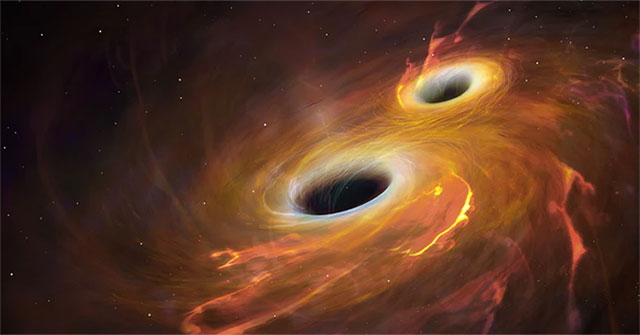
The black hole can only expand to 50 billion times the mass of the Sun, it is impossible to 'eat to grow'
Space black holes cannot expand indefinitely but after
Browse ScienceInfo articles and explainers related to Supermassive Black.
34 published items.
Space black holes cannot expand indefinitely but after
The majority of galactic nuclei contain supermassive black holes of millions or even billions of solar material.
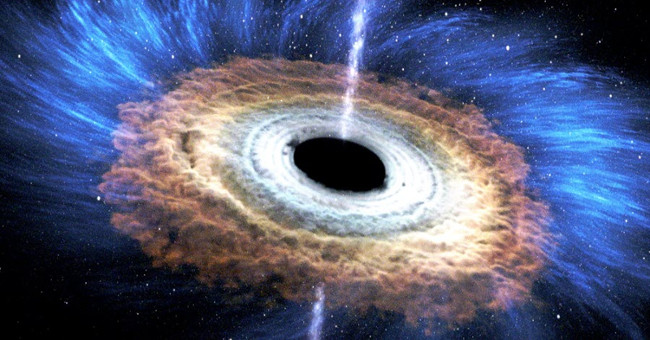
The voracious monster black hole was discovered when the team observed the cosmic area 12 billion light-years away.
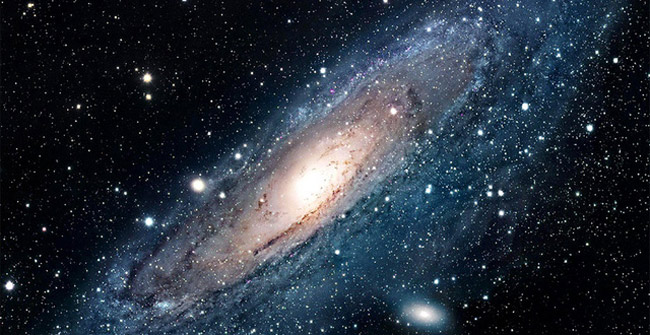
Now scientists have had an extraordinarily powerful tool that enables them to directly observe the mysteries of the universe ...

New molecules can form in the wind or energy spill streams from super-heavy black holes at the center of galaxies, according to a theory in a study published in the Jour…
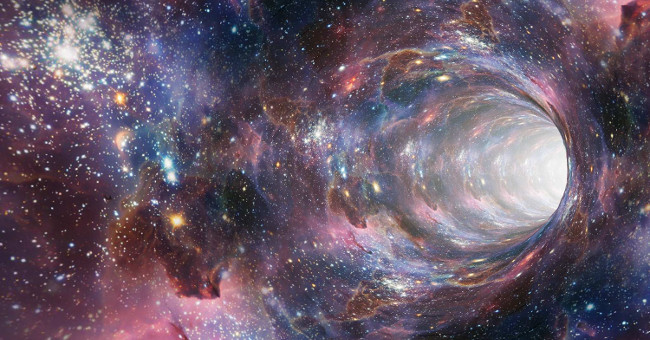
Super black holes and their behavior have long been on the list of mystical spatial phenomena that scientists want to decipher.
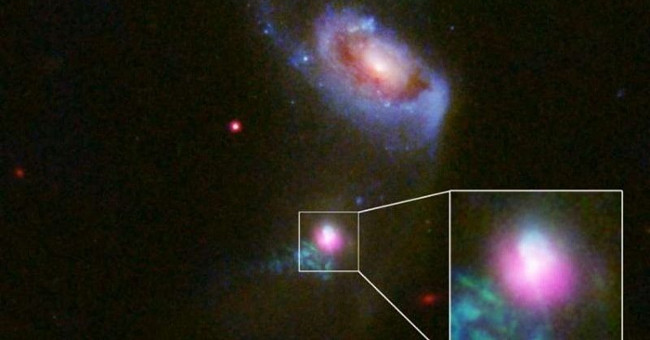
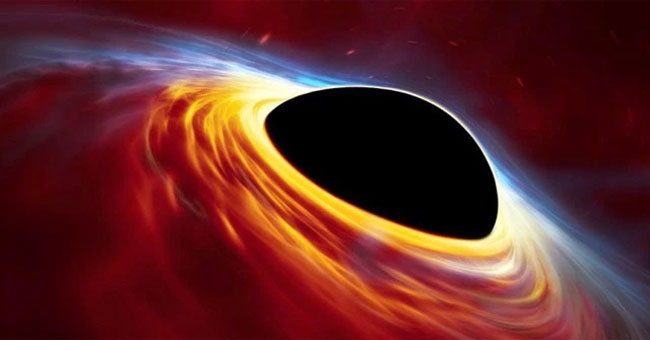
The supernova is 20 times brighter than the brightness of the entire Milky Way, which is essentially the corpse of a star so close to the super black hole and torn apart.
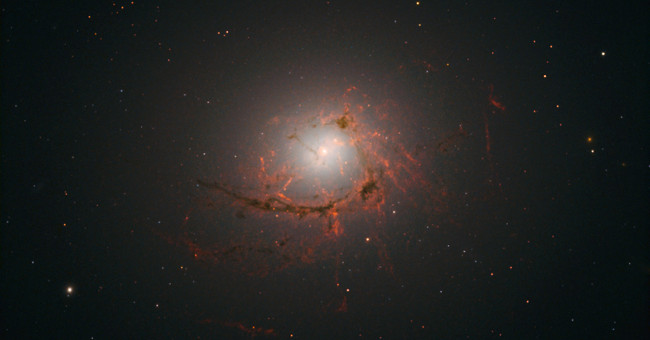
British astronomers discovered a supermassive black hole digesting the brightest galaxy of Sagittarius, causing it to die from within.
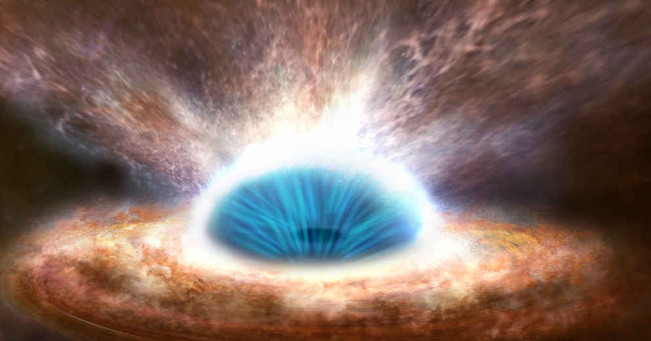
The supermassive black hole is 4 billion times the size of the Sun when three spiral galaxies collide, leading to the merging of black holes in their center.
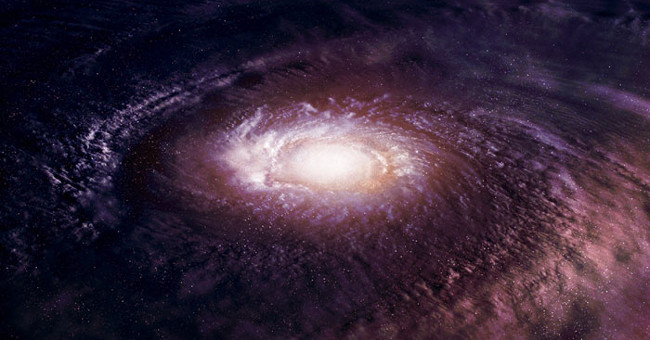
The astronomers at York University have just revealed, there is the appearance of super-fast gusts in the supermassive black holes, along with intense ultraviolet wavele…
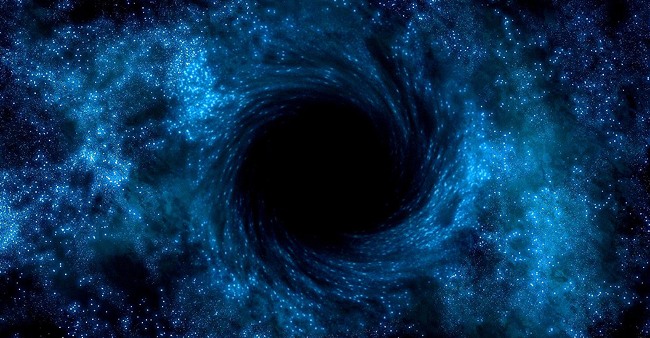
The Earth is often under the attack of high-energy particles in cosmic rays, the culprit is the supermassive black hole in the center of the Milky Way.
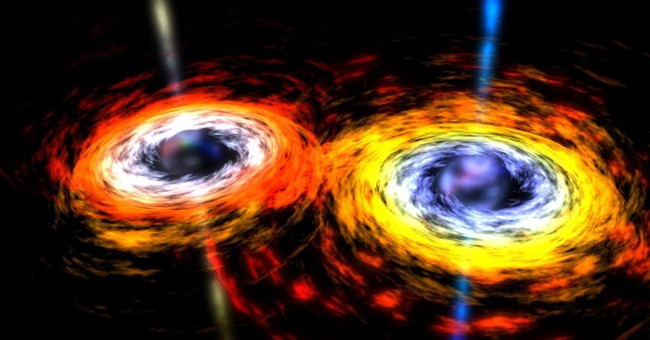
Scientists use NASA's Chandra X-ray telescope to detect a supermassive black hole in the center of a nearby galaxy.
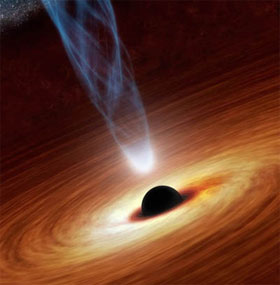
The supermassive black hole has a speed close to the speed of light. This is the discovery of scientists from the US Aeronautics Agency (NASA) thanks to the integration…
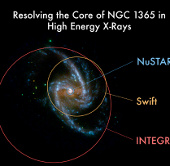
For the first time astronomers have measured the rotation speed of a supermassive black hole, and it rotates at nearly the speed of light.